Hospital-at-home programs depend on continuous remote monitoring, and nearly all of them now run predictive models over the resulting telemetry. A comparison of nine programs finds wide variation in escalation outcomes despite near-identical sensing hardware and similar model performance.
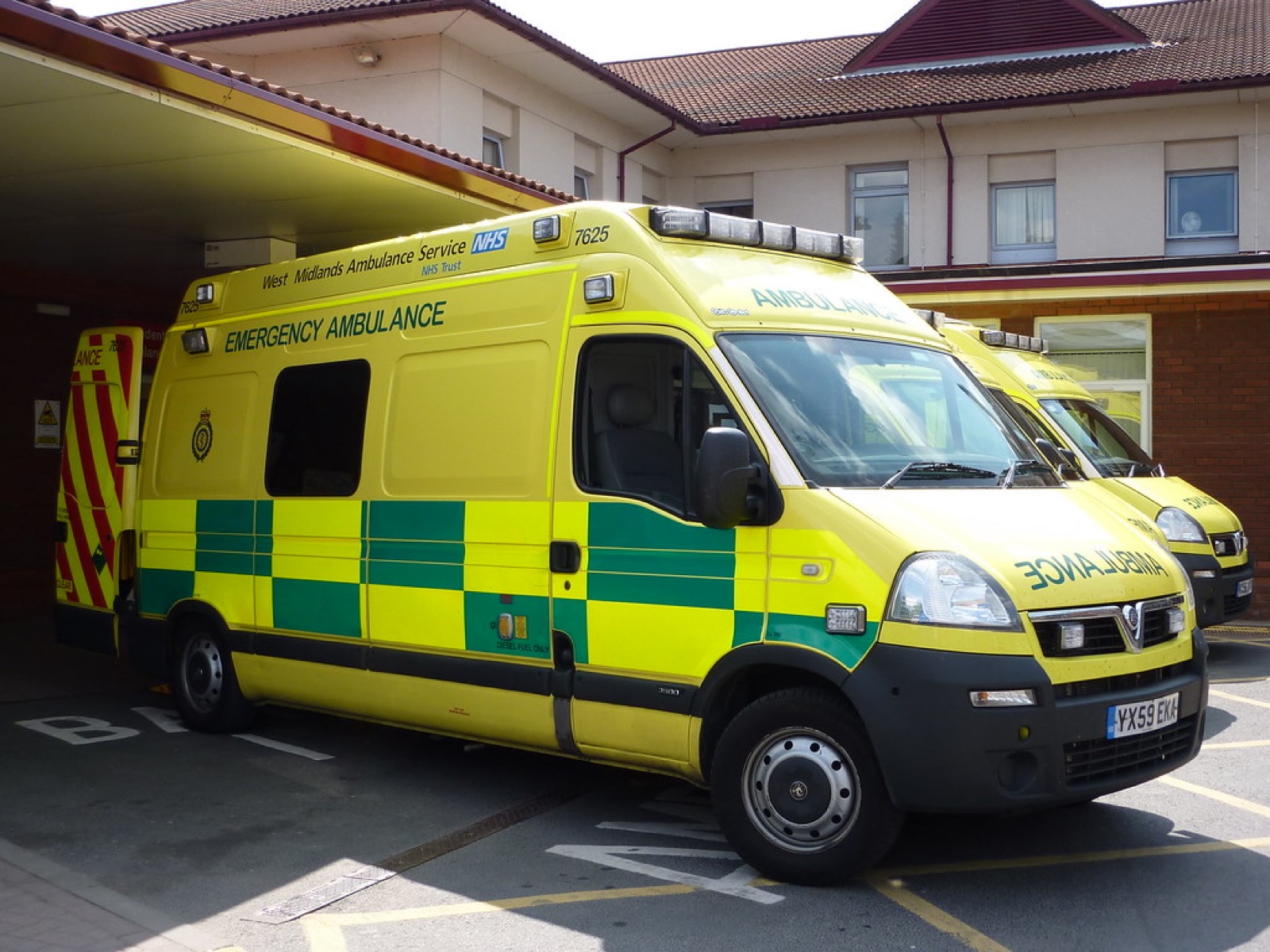
The variable that tracked most closely with safety outcomes was authority. Programs where a monitoring nurse could dispatch a paramedic unit directly, without a physician call, escalated faster and had fewer delayed transfers. Programs requiring physician approval had longer delays, concentrated overnight.
This is not a subtle finding, and it is not about AI. It matters here because the models generate alerts at a rate that assumes rapid triage. A monitoring stack tuned for a fast escalation path becomes a source of unactioned alerts when dropped into a slow one.
Two of the programs studied have since restructured overnight authority. Both report improved escalation times. Neither changed their monitoring vendor, which the study's authors note is the cheapest intervention available and the one least likely to be proposed by a vendor.