Four months in, ambient documentation has stopped being a pilot
Adoption crossed a threshold this spring. The interesting question is no longer whether scribes work, but what they quietly changed about the note itself.
Editor at large
Elie covers the deployment side of clinical AI — what happens after the pilot ends, when a model has to survive a night shift, an EHR upgrade and a skeptical chief nursing officer. He has spent the last decade writing about health systems, informatics and the unglamorous infrastructure that decides whether new technology actually reaches a patient.
24 stories · April 6, 2026 — August 6, 2026
Adoption crossed a threshold this spring. The interesting question is no longer whether scribes work, but what they quietly changed about the note itself.
An EHR upgrade renamed two lab fields. The model kept scoring, kept firing, and kept looking healthy on every dashboard the team had built.
A survey of 4,200 adults finds broad support for disclosure — and much less agreement about what should happen next.
Predicted census is accurate. Predicted acuity is not, and the schedules built on it are producing shifts that the model considers adequately covered.
One system's account of an AI program that spent almost all of its budget on plumbing, and would do it again.
A deterioration model with excellent discrimination produced no change in outcomes. The rapid response team was already stretched.
Adoption at critical access hospitals trails large systems by a factor of five. The barrier is rarely the license fee.
Point-of-care question answering is now routine at several academic centers. The citation behavior is where the disagreements live.
Real-time interpretation is filling a genuine shortage. The evidence base for high-stakes clinical use has not kept pace.
The performance was real. The absence of a regulatory pathway, an integration, and anyone to sue was decisive.
Contracts increasingly specify what happens when a tool is retired: data return, output archival, and a defined wind-down that does not require the vendor's cooperation.
Symptom triage tools are being evaluated on accuracy. A study of what patients actually did afterward finds a weak relationship.
Programs with identical monitoring technology report very different safety records. The difference is who is allowed to act on an alert.
An experiment found that adding plausible explanations raised agreement with the model regardless of whether the model was right.
Health systems that built their own are increasingly buying instead, and the ones still building are unusually specific about why.
A tool that simply surfaces what is already in the chart has better engagement than every predictive model the system has deployed.
Interaction screening, dose checking and formulary substitution have quietly become the most reliable deployments in the hospital.
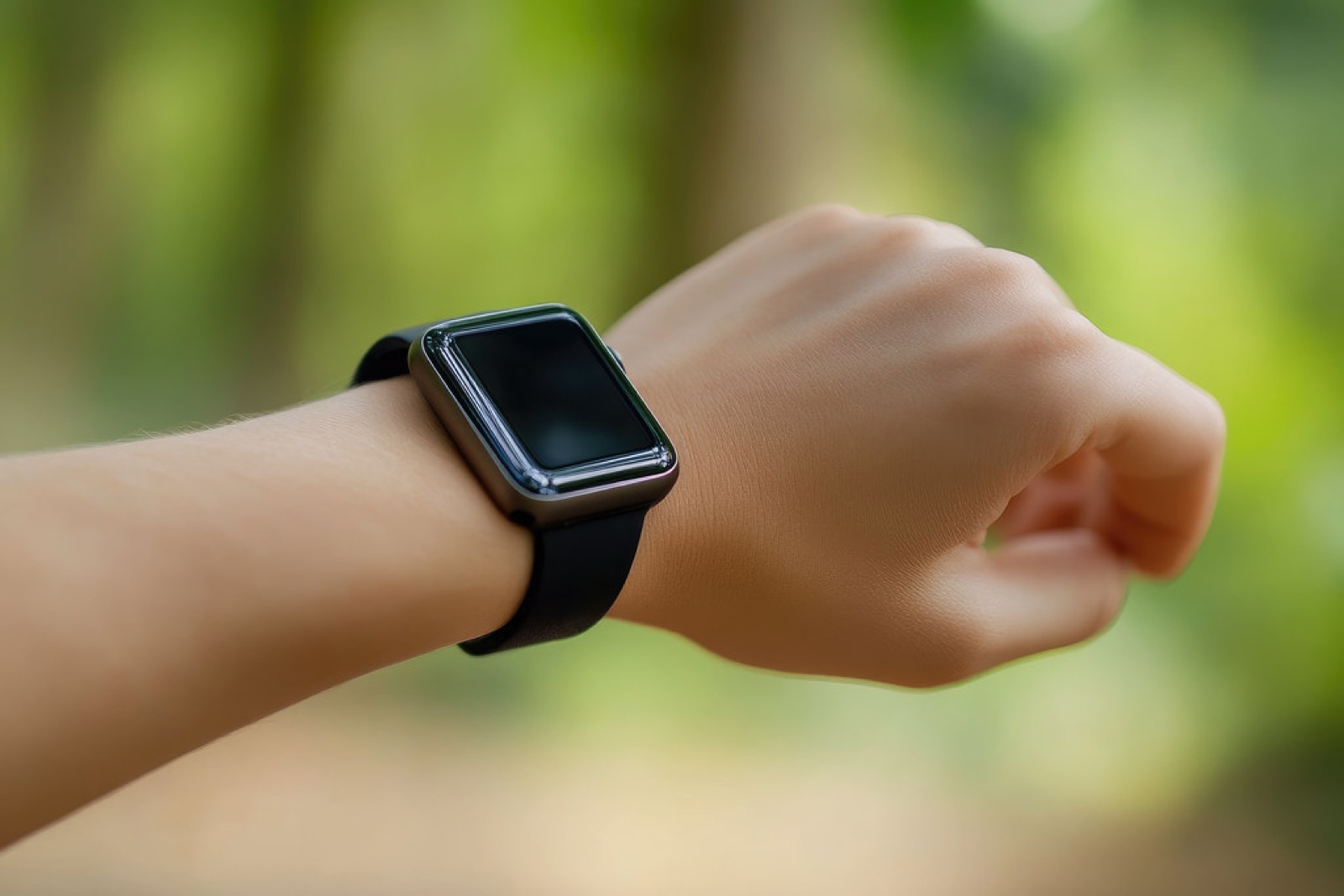
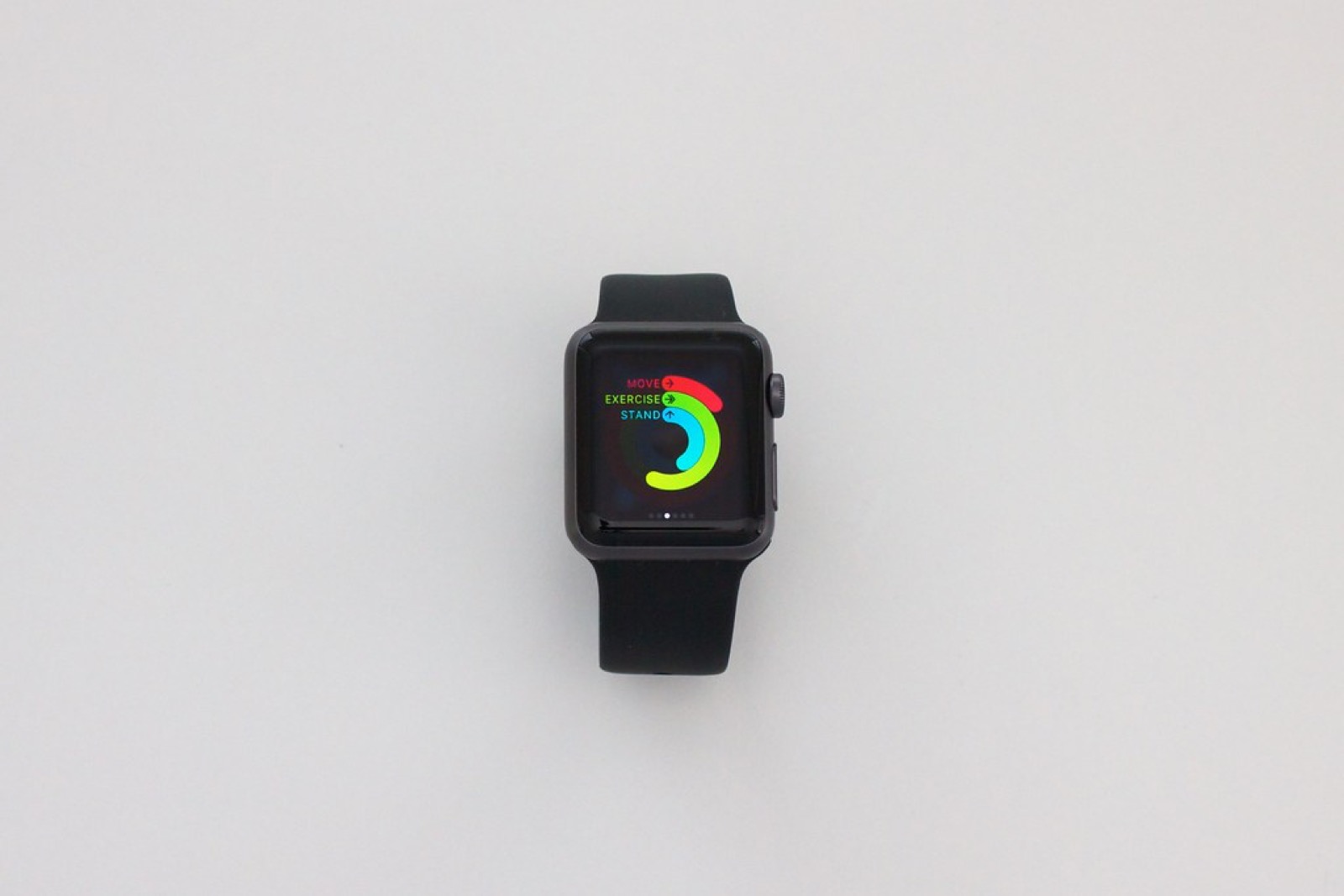
Consumer devices are generating clinical findings that arrive with no workflow, no reimbursement and no clear owner.
Systems that maintain a complete inventory of deployed models make decisions faster and have far fewer surprises during audit.
Six months of open reporting produced no reputational damage, one useful external bug report, and a lot of internal behavior change.
Nursing notes are structured, high-volume and regulatory. Ambient capture does not map onto them cleanly.
Pajama time, note length, click counts and EHR session duration all appear as headline metrics. They frequently disagree.
An analysis of failed scale-ups finds the most common missing ingredient was a person, not a capability.
Deployment is accelerating, evidence is not, and the gap between them is the story of the spring.