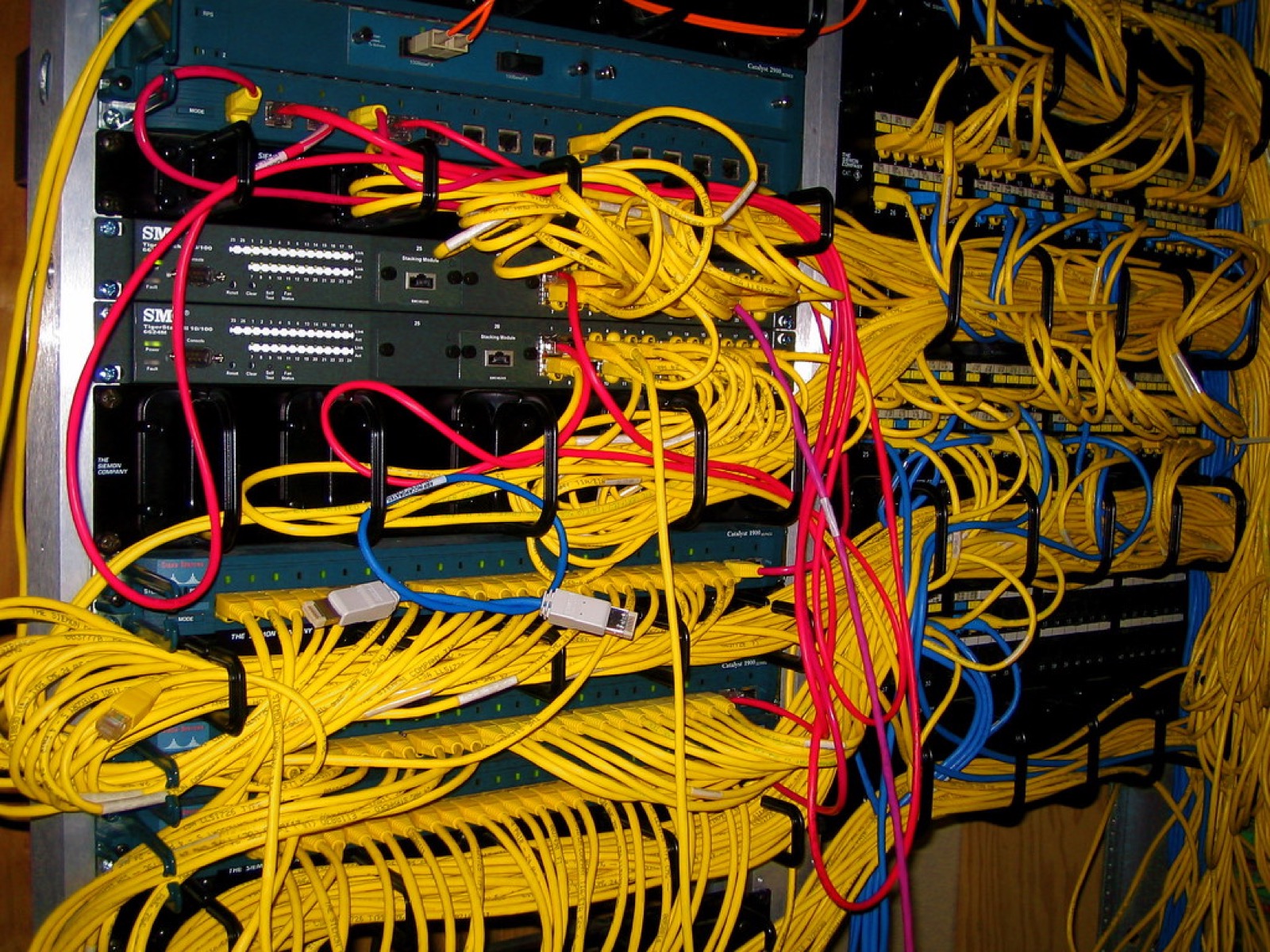
The most common finding in clinical AI governance reviews is not a dangerous model. It is that nobody has a complete list of the models in use. Tools arrive embedded in purchased software, enabled by default in an EHR module, or built by a service line without informatics involvement.
Systems that have built a real registry describe the initial inventory as unpleasant and revealing. One academic center expected to find roughly fifteen models and catalogued forty-one, eleven of which no identifiable person owned.
What the registry enables afterward is mostly speed. When a vendor announces a defect, the affected sites are known in minutes. When a new regulation lands, the scope of work is a query. When a model's owner leaves the organization, the gap is visible.
The registries that work share a design decision: registration is required to obtain an integration, so the incentive to register is structural rather than procedural. Registries that depend on voluntary disclosure are, according to everyone we spoke with, uniformly incomplete.