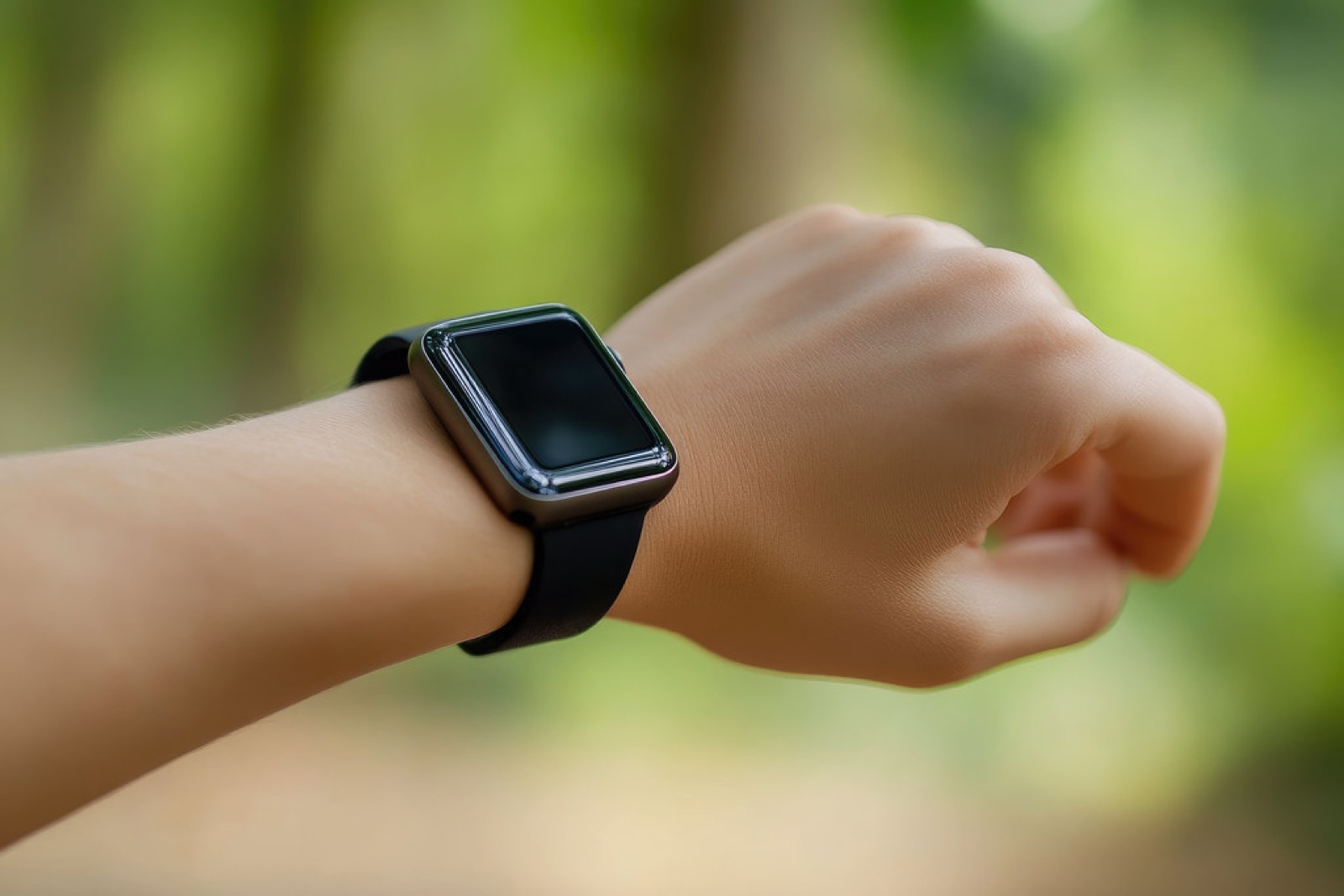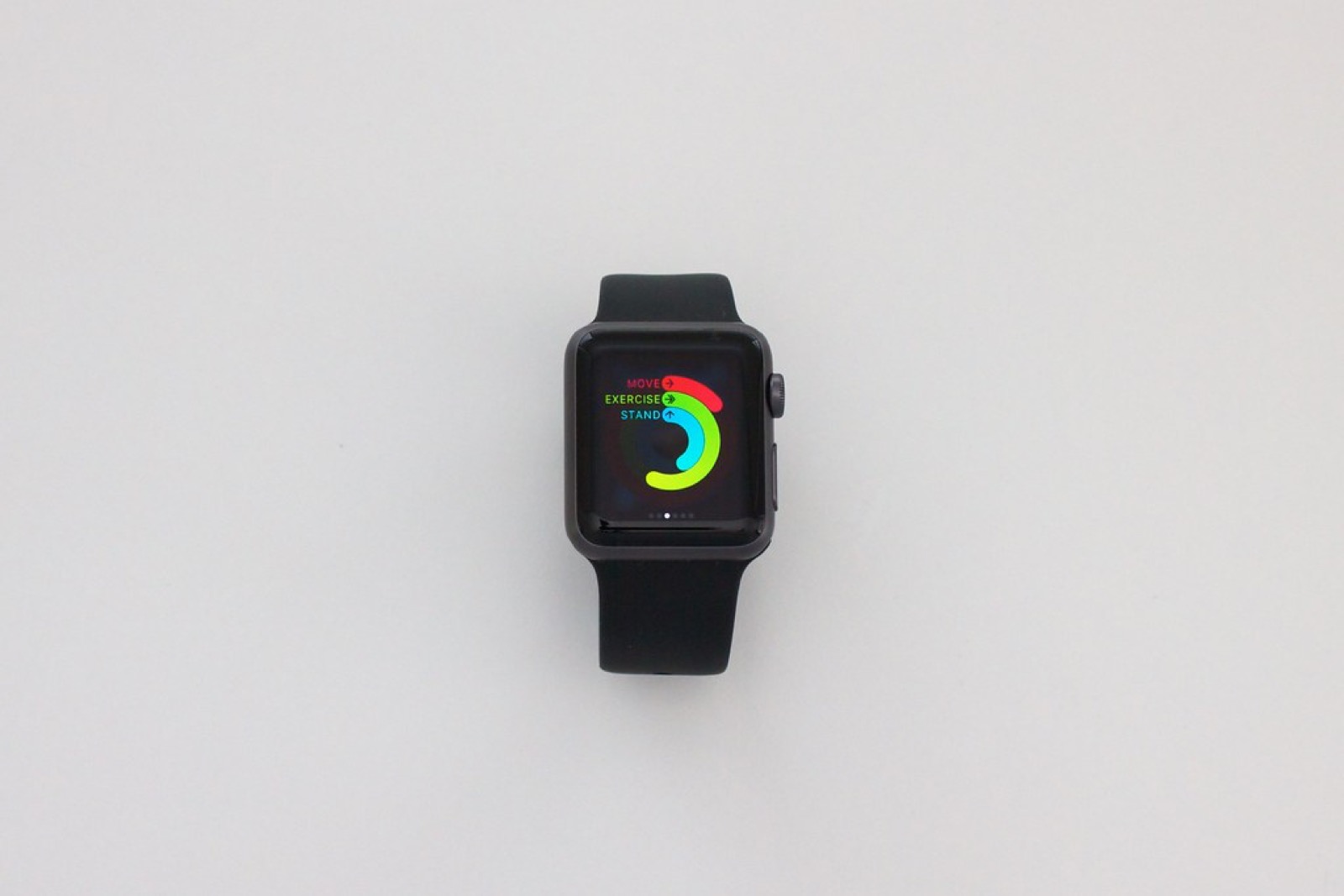
Consumer wearables now detect irregular rhythms, apnea events, and a growing list of other findings, and they tell the wearer to see a doctor. The doctor in question is usually a primary care physician who receives a screenshot, has no integration with the device, and carries the resulting workup.
Practices we spoke with described this as one of the fastest-growing sources of unscheduled work. The findings are frequently real and frequently not actionable, and distinguishing the two takes a visit, occasionally a monitor, and a conversation that does not fit in fifteen minutes.
The workflow problem is compounded by an evidence problem. The devices' performance is generally characterized in populations that skew younger and healthier than the patients presenting with the alerts, and the positive predictive value in an unselected primary care population is not well established.
Several professional societies have asked manufacturers to route findings through a clinical intermediary rather than directly to the consumer. Manufacturers have declined, on the grounds that the finding belongs to the person wearing the device. Both positions are defensible, and the cost of the disagreement is currently being absorbed by primary care.